Blog ·
What to Expect During Your Solar Roof Installation
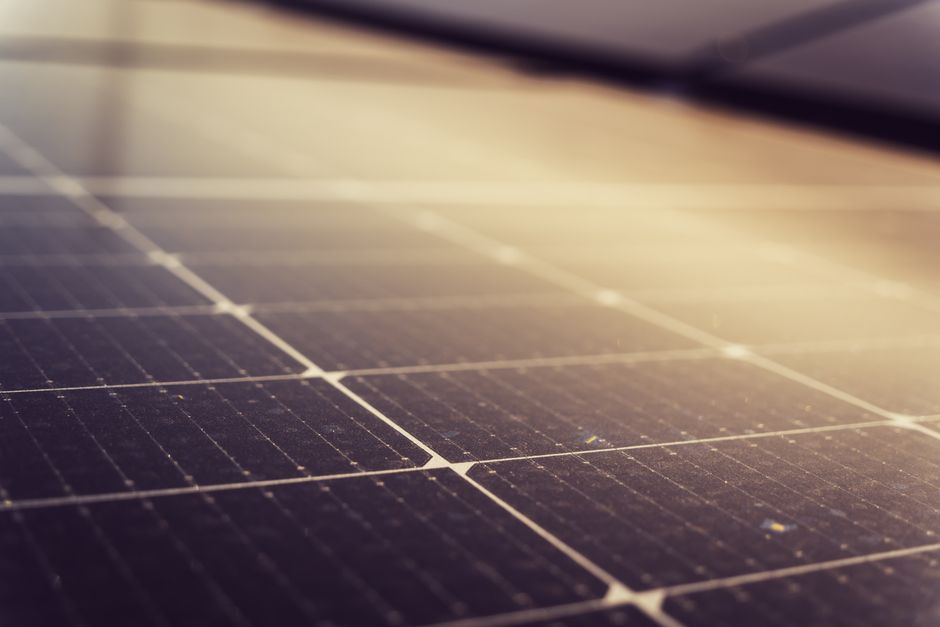
Installing a solar roof is a significant home improvement project, and understanding the process helps you prepare and know what to expect. From the initial site assessment to your system going live, here's what a typical solar roof installation involves.
Assessment and Design Phase
Your installation begins with a thorough evaluation of your roof. A specialist will measure your roof's dimensions, check for structural soundness, assess shading throughout the day, and review your electrical system. This information determines how many panels your roof can accommodate and how much energy your system will produce under local conditions.
Once the assessment is complete, your system is custom-designed based on your roof's unique characteristics. The installer considers your roof's angle, the direction it faces, local weather patterns, and any obstructions that might cast shadows on your panels.
Installation Day
Installation typically takes one to three days, depending on your system size and roof complexity. The work involves securing mounting hardware to your roof, installing the solar panels on those mounts, and running electrical wiring to your home. Your roofer will take precautions to protect your roof during this process.
You may experience temporary disruptions—noise from tools, work crew presence, and temporary roof access. Some systems require brief periods where your power is disconnected from the grid while electrical connections are finalized. Your installer will notify you of any outages beforehand.
Inspection and Activation
After installation, your system undergoes inspection by local authorities to ensure it meets building codes and safety standards. This typically takes several days to a few weeks. Once approved, your utility company may install an additional meter to track the electricity your system produces.
During Installation Preparation
Before work begins, clear your roof of any antennas, vents, or items that might interfere with installation. Ensure your installer has clear access to your electrical panel and roof. If you have garden beds or landscaping below your roof, protect them from potential debris.
Discuss with your installer the best times for work to minimize disruption to your daily routine. Ask about what happens if weather delays the project or if unexpected structural issues arise during installation.
A complete solar roof installation is a straightforward process when you know what to expect. Working with experienced installers ensures your system is properly integrated into your home and positioned to provide maximum clean energy for years to come.